Cessna 172F Rheostat (No Knob)
Cessna 172F Rheostat (No Knob)
Blog Article
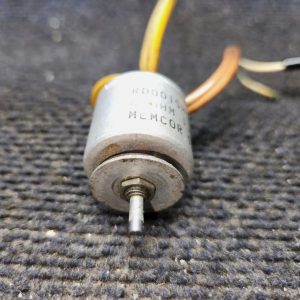
The Cessna 172F Rheostat (No Knob)
Whether buyers search for a Cessna 172F Rheostat, Cessna 172F Lighting Rheostat, or Cessna 172F Panel Light Rheostat, electrical compatibility and individual condition should website guide the purchase.
A Cessna 172F Cockpit Dimmer may function as a Cessna 172F Instrument Light Control, while a Cessna Instrument Panel Rheostat should match the intended wiring and electrical load.
Whether buyers need an Aircraft Lighting Rheostat, Aircraft Panel Light Dimmer, Aviation Lighting Control Rheostat, or Aircraft Instrument Lighting Control, professional evaluation should precede use.
Whether buyers seek Cessna 172F Electrical Parts, a Cessna 172F Dimmer Switch, Cessna Panel Lighting Control, or a Cessna Aircraft Rheostat, every component should be identified individually.
Reviewing the RD0015H1600JBC Component
Complete part-number verification reduces unsuitable purchases and electrical troubleshooting delays.
Informal cross-references should not replace verified specifications or appropriate aircraft electrical information.
Buying a Cessna Rheostat Without a Knob
The shaft diameter, length, shape, flat, spline, retaining method, and panel clearance should be measured before selecting a knob.
Improvised drilling, adhesive bonding, force-fitting, or overtightening can damage the shaft and reduce future repair options.
Cessna Cockpit Light Adjustment
Rotating the control changes the electrical resistance or control setting, allowing the pilot to select an appropriate lighting level.
Replacing the rheostat without diagnosing the full circuit may leave the original fault unresolved.
Verifying Rheostat Fitment Before Purchase
A rheostat associated with a Cessna 172F should not be advertised as universally compatible with every Cessna 172 variant.
Qualified maintenance personnel should determine the acceptable installation configuration.
Cessna Rheostat Physical Condition Evaluation
The shaft should rotate smoothly through its intended travel without excessive looseness, binding, roughness, or unexpected movement.
Professional physical inspection supports reliable Cessna Instrument Panel Rheostat installation.
Inspecting Rheostat Terminals and Wiring
Electrical terminals should be inspected for corrosion, looseness, bending, damaged insulation, burned surfaces, broken hardware, and previous solder or crimp repairs.
Damaged terminals should not be bent repeatedly in an attempt to restore alignment.
Evaluating Dimming Control Operation
Testing may include resistance measurement, continuity checks, smoothness evaluation, terminal mapping, and controlled functional testing appropriate to the identified component.
Qualified electrical evaluation supports responsible use of the Aviation Lighting Control Rheostat.
Avoiding Unnecessary Rheostat Replacement
These symptoms may result from internal rheostat wear, damaged terminals, loose wiring, failed grounds, defective lamps, overloaded circuits, or circuit-protection problems.
Intermittent faults can appear only during vibration, temperature change, or movement of the control.
Preserving Cockpit Appearance and Function
Historical appearance should not take priority over electrical compatibility, condition, or safe installation practices.
The missing knob may be sourced separately, reproduced appropriately, or reused from the removed control when its fit and condition remain suitable.
Cessna 172F Electrical Parts for a Complete Repair
A rheostat replacement may require a compatible knob, mounting nut, washer, wiring terminals, connectors, lamps, circuit protection, labels, and panel hardware.
Clear component control reduces accidental installation of unverified cockpit parts.
Restoring an Aircraft Lighting Control
A documented repair approach supports a more consistent result.
Opening the rheostat body without appropriate expertise can disturb internal contacts, insulation, windings, stops, seals, or calibration characteristics.
Buying a Cessna 172F Rheostat
The commercial value of P/N RD0015H1600JBC depends on verified identity, electrical specifications, physical condition, test status, shaft integrity, terminal condition, traceability, and included hardware.
The seller should disclose the missing knob, damaged threads, bent shaft, corrosion, burned terminals, heat discoloration, intermittent operation, repairs, and storage conditions.
Aircraft Lighting Rheostat Pre-Purchase Guide
The seller should provide photographs showing the housing, shaft, mounting threads, terminals, markings, attached wiring, damage, and repaired areas.
- Determine whether the knob, nut, washer, wiring connector, terminal hardware, test report, records, or release documents are included.
- Inspect the component for corrosion, heat discoloration, burned terminals, cracked insulation, bent shaft, damaged threads, loose housing, rough movement, contamination, and previous repairs.
- Report shipping damage, missing hardware, identification differences, undisclosed repairs, or electrical-condition discrepancies promptly.
Rheostat Packaging Requirements
Loose nuts, washers, terminals, or wiring pieces should be packaged and labeled separately.
Responsible storage preserves the future usefulness and commercial value of Cessna 172F Electrical Parts.
Completing a Rheostat Replacement
The replacement rheostat should be compared with the original component for ratings, terminal arrangement, mounting dimensions, shaft style, and circuit function.
The shaft should rotate freely after mounting and should remain properly aligned with the replacement knob and panel opening.
The panel should be checked under suitable lighting conditions without promising a particular brightness improvement.
Routine Panel Dimmer Inspection
Repeated cycling should not replace proper electrical troubleshooting.
The control knob should not be pulled, twisted beyond its stops, or used as a support for other equipment.
Final Thoughts on the Cessna Panel Light Rheostat
When professionally inspected, tested, fitted, wired, documented, and maintained, the Cessna 172F Rheostat (No Knob)
The strongest purchasing decision begins with confirming the complete part number, manufacturer, aircraft applicability, circuit function, resistance range, voltage, power rating, terminal arrangement, shaft dimensions, knob requirements, test status, and documentation.
Whether the part is purchased for scheduled maintenance, panel restoration, troubleshooting, vintage-aircraft preservation, replacement, or spare inventory, transparent information and professional oversight provide the strongest foundation.
P/N RD0015H1600JBC can deliver a professional combination of panel-lighting control, restoration relevance, electrical replacement value, and classic Cessna application potential.
Report this page